What documents do I need to import goods into Kenya?
For most imports into Kenya you will need a commercial invoice, bill of lading or airway bill, packing list, certificate of origin, Import Declaration Form (IDF), and any applicable permits (e.g. KEBS Certificate of Conformity, KEPHIS phytosanitary certificate). KHL will advise on the exact documents required for your specific commodity and country of origin.
How long does customs clearance take at Mombasa Port?
Standard clearance for a well-documented shipment at Mombasa Port typically takes 2–5 working days from vessel arrival. Shipments selected for physical examination or those with documentation issues may take longer. KHL's proactive documentation review before cargo arrives significantly reduces delays.
What is the Import Declaration Form (IDF) and who pays for it?
The Import Declaration Form is a mandatory document for all imports into Kenya valued above USD 2,000. It is lodged through Kenya TradeNet and attracts a levy of 2.25% of the customs value. The IDF fee is a government levy paid by the importer. KHL lodges the IDF on your behalf as part of our clearance service.
How is customs duty calculated on my goods?
Customs duty in Kenya is calculated on the customs value (CIF — Cost, Insurance, and Freight). The EAC Common External Tariff applies duty rates of 0%, 10%, or 25% depending on the commodity. VAT at 16% is also charged on most goods. KHL provides a full landed cost calculation — including duty, VAT, IDF, and port charges — before you commit to a shipment.
Do you handle transit goods going to Uganda, Rwanda, or DRC?
Yes. KHL manages transit cargo across the Northern Corridor and other East African trade routes. We handle customs transit documentation (C63 transit entries), bonded transport, and coordinate with ICD operators and border posts along the route to Uganda, Rwanda, Burundi, South Sudan, and the DRC.
What goods require special permits to import into Kenya?
Several categories require permits beyond standard KRA clearance. These include pharmaceutical products (Pharmacy & Poisons Board), agricultural products and plants (KEPHIS), veterinary products and animal feeds (DVS), food items (KEBS), chemicals and hazardous materials (NEMA), and used electronics. KHL manages the permit application process on your behalf.
Can you handle both air freight and sea freight?
Yes. KHL arranges both air freight through JKIA (Nairobi) and Mombasa International Airport, and sea freight through Mombasa Port — Kenya's primary gateway for maritime trade. We select the right mode based on your cargo's volume, weight, urgency, and cost requirements, and we offer both FCL (Full Container Load) and LCL (Less-than-Container-Load) sea freight options.
How do I get updates on my shipment status?
KHL keeps clients informed at every key milestone — vessel arrival, customs lodgement, customs clearance, container availability, and delivery. Updates are communicated directly by your assigned KHL coordinator via phone, email, or WhatsApp. Contact us at info@kenwad.com or call +254 702 963 947 to speak to your coordinator.
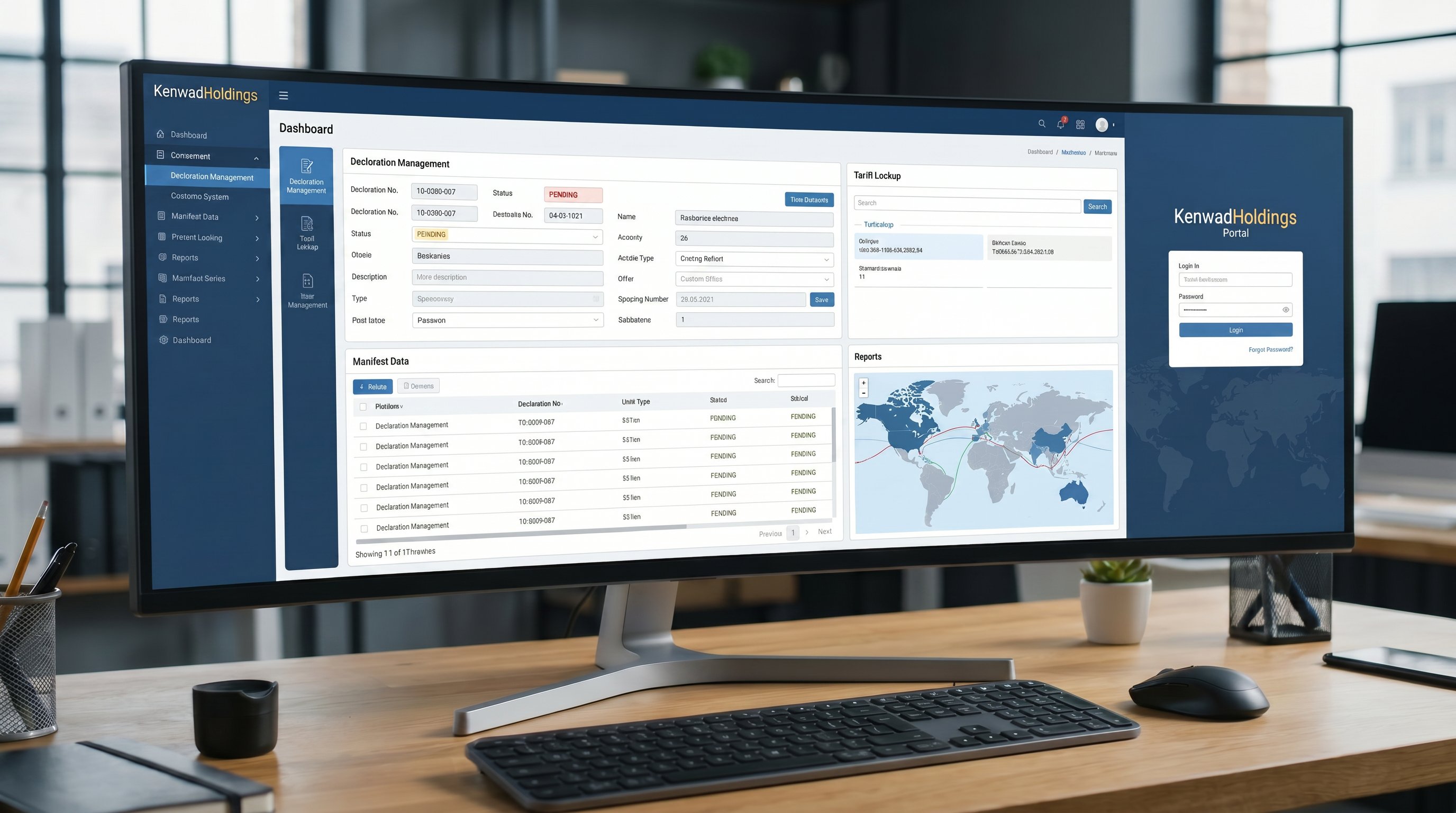 Customs
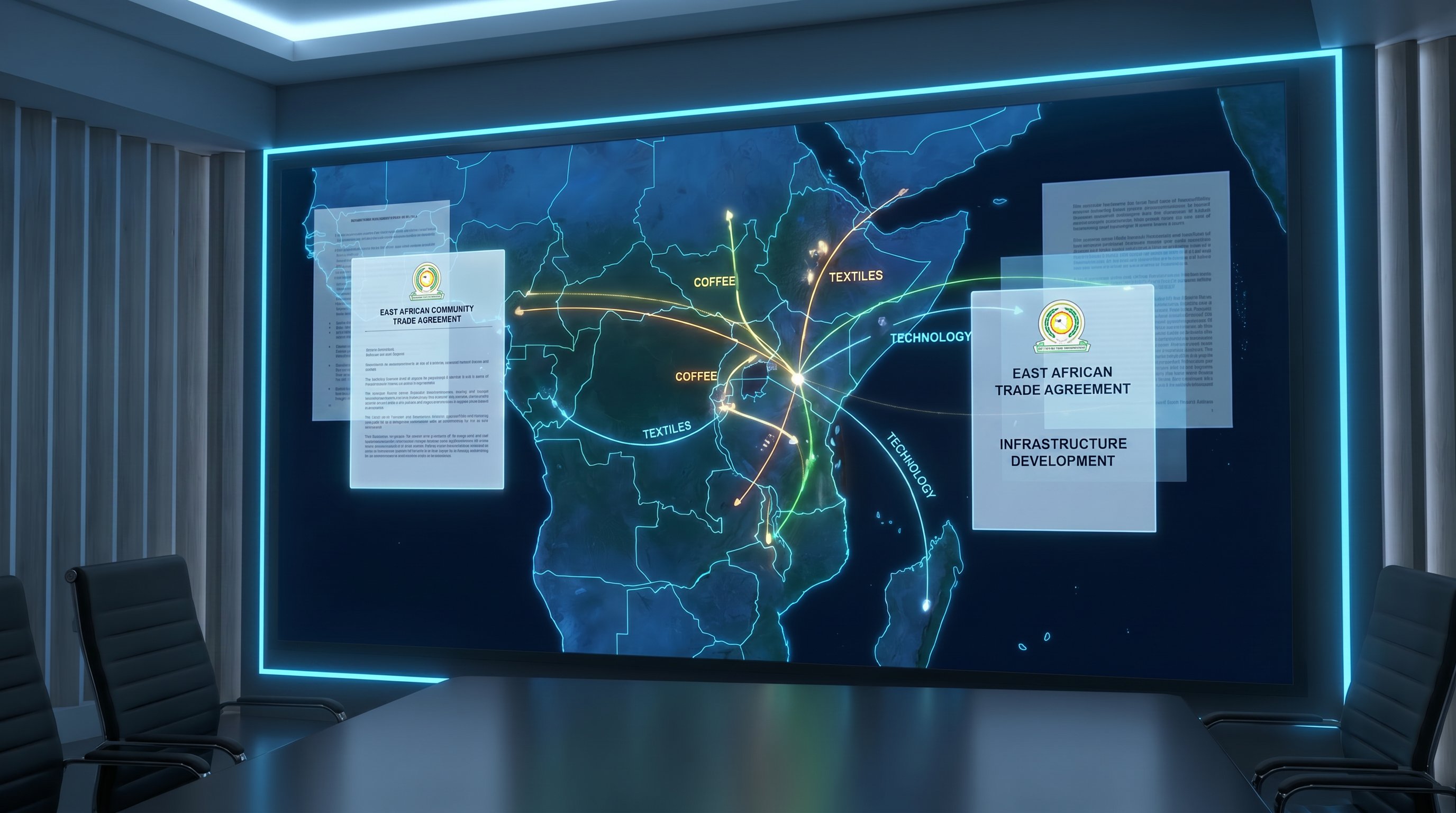 Regulations
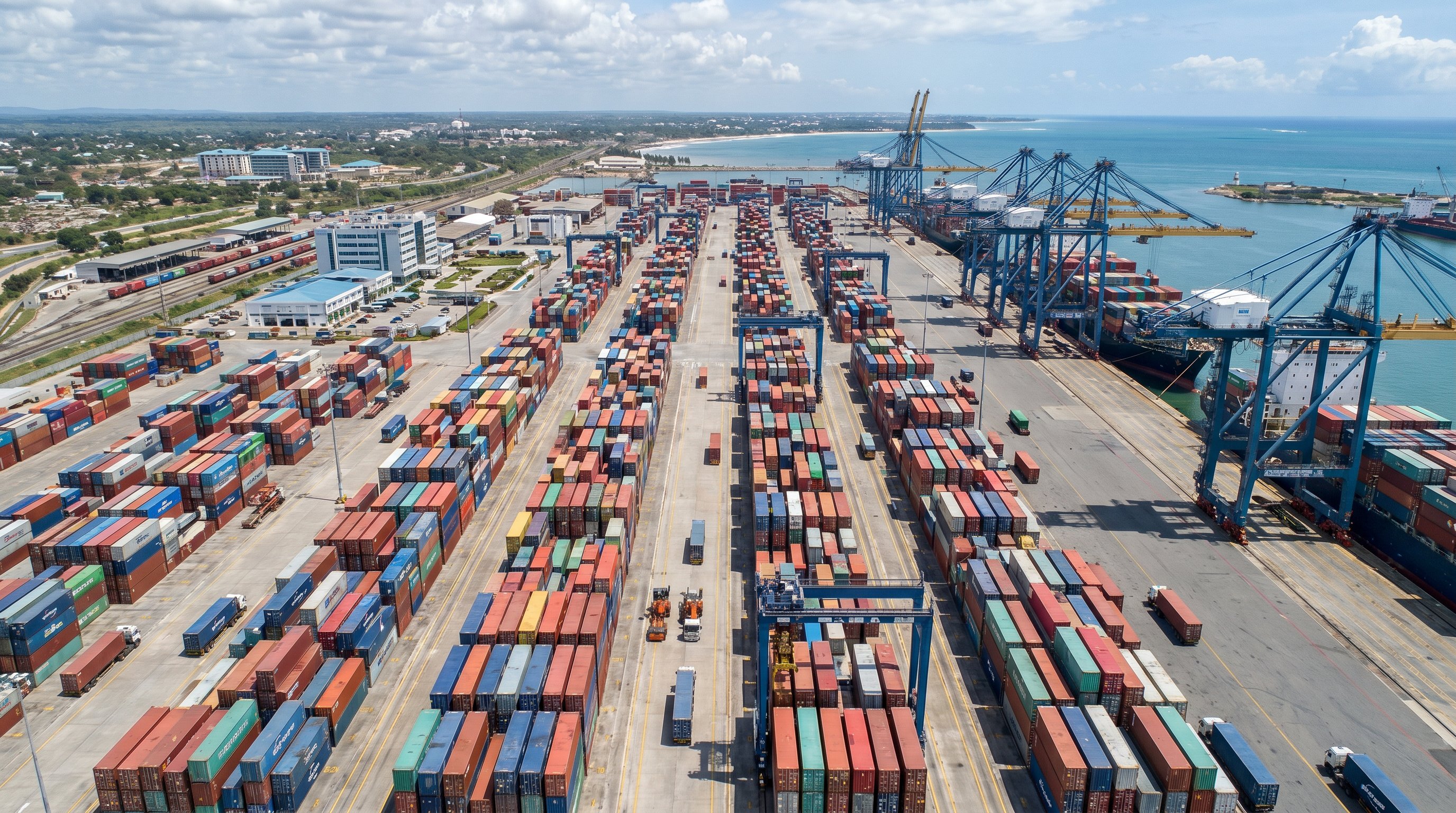 Operations